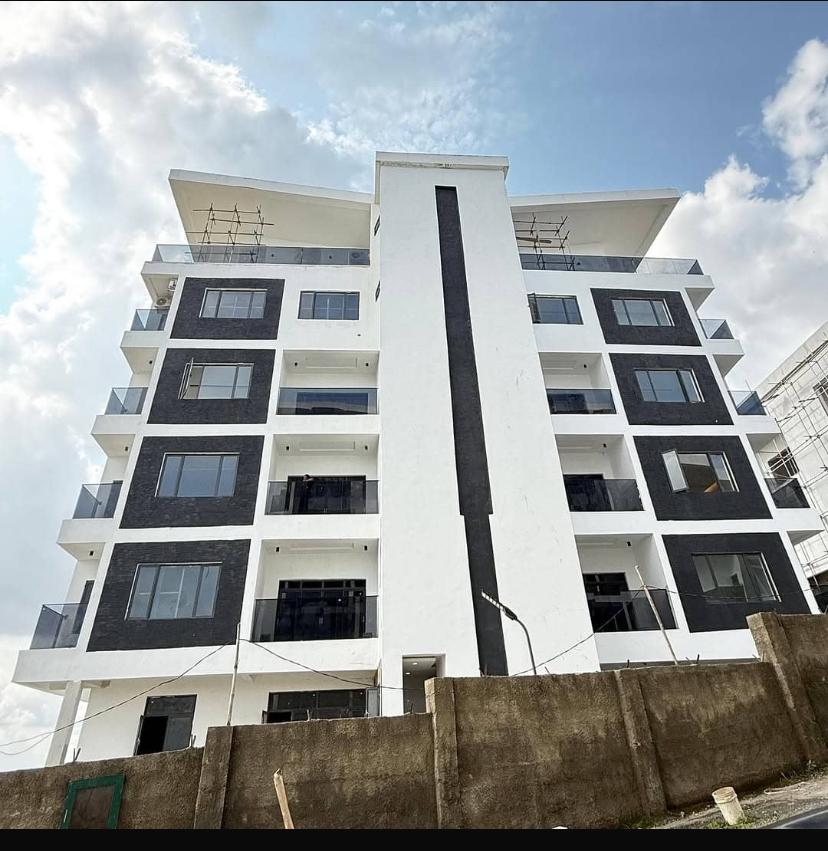
The recently released comprehensive housing ecosystem report by PAC Research highlights massive structural shifts in the Nigerian real estate sector. For smart marketers, consultants, and developers, this data functions as a roadmap for where the market is going and where the money will be made. Here is a breakdown of the three biggest data points from the report and how you should adapt your business strategy.
The Macro Picture: A 28-Million Unit Deficit • The Data: Nigeria’s national housing deficit has officially crossed the 28 million-unit threshold. To put this in perspective, Lagos State alone faces a supply shortfall of 3.4 million units. According to the Federal Mortgage Bank of Nigeria (FMBN), the country needs to deliver roughly 800,000 new homes annually just to keep up with population growth.
• The Reality Check: Traditional government funding and standard mortgage frameworks cannot bridge this gap alone. The market relies heavily on private developers and organized real estate consultants to drive development and structure affordable payment plans.
• The Takeaway for Practitioners: The market is nowhere near saturation. Demand is fundamentally guaranteed for the foreseeable future. If you are struggling to sell, it is not due to a lack of buyers in the market; it is an issue of product alignment or pricing structure.
The Great Structural Shift: The Rise of the Compact Apartment • The Data: This is the most critical revelation in the report for marketers: Over 52% of urban residents now explicitly prefer compact 1-bedroom and 2-bedroom apartments over larger, traditional family homes.
• The Drivers: This shift is being driven by two main factors:
Affordability constraints due to macroeconomic pressures and high construction costs.
A rapidly growing demographic of young professionals, tech workers, and startup founders who prioritize location and security over massive square footage.
• The Takeaway for Practitioners: Stop focusing solely on selling massive 4- or 5-bedroom detached duplexes if you want high-velocity sales. The fastest-moving inventory right now sits in the compact luxury space (1 and 2-bed apartments). If you are consulting for developers, advise them to optimize their floor plans for higher density and smaller units to ensure rapid off-take.
The Urbanization vs. Affordability Paradox • The Data: Continuous rural-to-urban migration is putting unprecedented pressure on prime urban centers (especially across major corridors in Lagos, Abuja, and secondary hubs like Ibadan and Port Harcourt). This surge has pushed property appreciation rates in secure, infrastructure-backed estates up by 15% to 25% annually.
• The Risk: As prime land values skyrocket, low- and middle-income earners are systematically being priced out of central business districts, driving massive demand for "sub-hub" developments on the outskirts of major cities.
• The Takeaway for Practitioners: Position yourself as a visionary. Identify the secondary markets and outskirts that are positioned directly in the path of urban expansion. Educate your clients on the high cost of "waiting" to buy, reminding them that inflation and rising material costs act as an immediate tax on cash savings.
Action Plan for REMCAN Members:
Audit Your Portfolio: Ensure at least 50% of the properties you are marketing align with the high-demand "compact apartment" tier (1 & 2 bedrooms).
Educate Your Leads: Use the 28-million deficit statistic in your marketing presentations to show investors why Nigerian real estate remains a bulletproof hedge against economic volatility.
Target the Sub-Hubs: Look for verified land and structural developments in emerging expansion zones where entry costs are lower but capital appreciation is guaranteed.