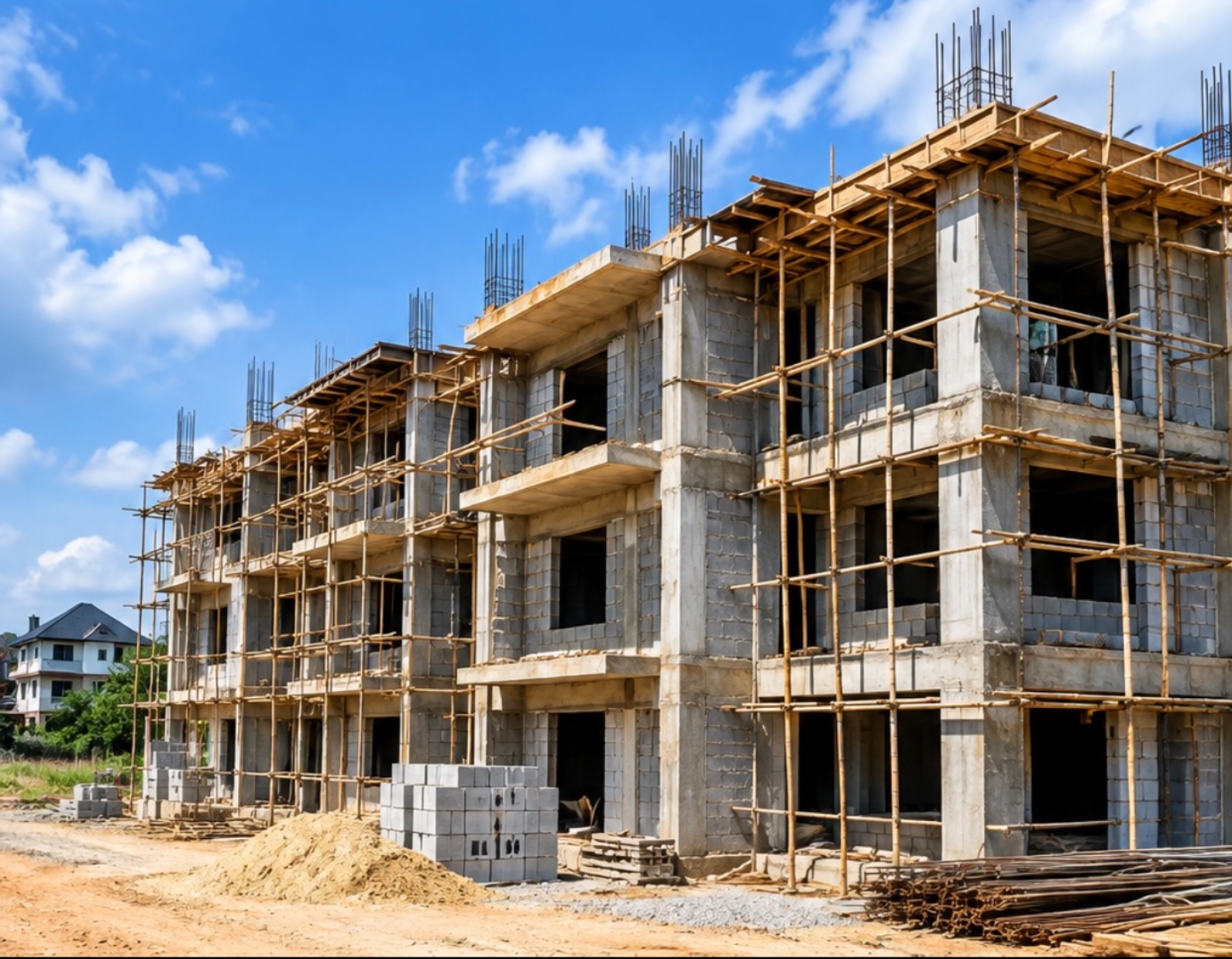
Nigeria's housing sector is emerging as a major policy battleground ahead of the 2027 general elections, with political parties outlining distinct proposals on land administration, mortgage finance, affordable housing, rental housing and construction costs.
Across the proposals, recurring themes include title registration, access to serviced land, long-term housing finance, rent-to-own schemes, housing cooperatives, social and rental housing, and incentives for private developers, alongside the usual headline targets for how many houses each party says it will build.
What the parties are proposing
The ruling All Progressives Congress (APC) is continuing its existing Renewed Hope Housing Programme and Federal Housing Authority estates, alongside mortgage reforms involving the Ministry of Finance Incorporated (MOFI) and the Federal Mortgage Bank of Nigeria (FMBN). Party spokesperson Bolaji Abdullahi outlined a five-point housing plan covering mass social housing, land and finance reform, local production of building materials, and rental housing policy, alongside mortgage reform, rent-to-own schemes, housing cooperatives and pension-backed financing. The party also proposed annual performance reviews covering housing delivery, mortgage accessibility, construction quality, employment generation, urban renewal and affordability.
Other parties have staked out their own positions. The Social Democratic Party (SDP) is proposing three million affordable homes. The Peoples Democratic Party (PDP) has put forward social housing and land registry reforms. The African Action Congress (AAC) is proposing ₦2 million housing units alongside long-term mortgages. The African Democratic Congress (ADC) is focused on land, building materials and rental housing. And the Nigeria Democratic Congress (NDC) is linking housing delivery to infrastructure development and private capital.
Beyond unit targets, the proposals converge on the same underlying bottlenecks: high land costs, limited access to long-term finance, rising construction costs, mortgage rates, property registration hurdles, weak rental-housing frameworks and insufficient private-sector participation. Whether any of the parties' plans can move past these constraints rather than repeating them, will likely determine how much of this translates into actual housing supply.
What it means
Campaign housing pledges are easy to make and historically hard to deliver, treat unit-count promises ("three million homes," "N2m housing units") as aspirational until a party publishes funding sources, timelines and an implementing agency. If land administration and title registration reform are part of a party's platform, that's worth watching closely: it's one of the few proposals that could directly affect how easily REMCAN-verified transactions move, regardless of which party wins.